
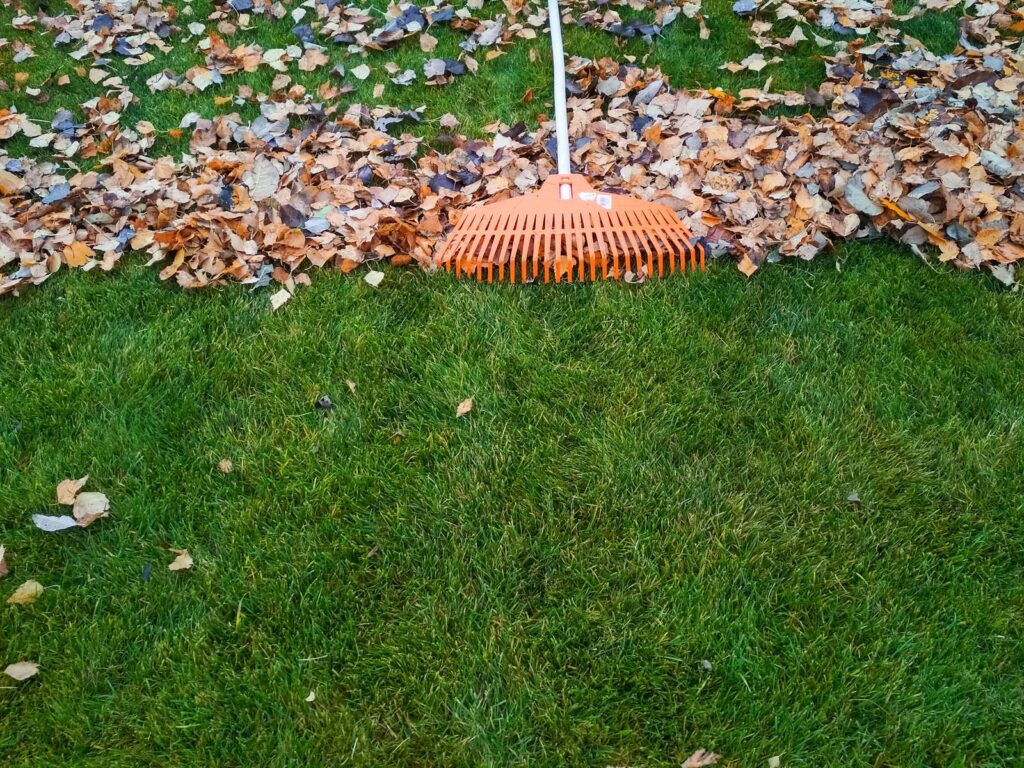
August may still feel like the middle of summer in Oklahoma City, but it is also the right time to start preparing your landscape for fall.
Late-summer heat can reveal problems that were less noticeable earlier in the year. Thin turf, uneven irrigation, stressed plants, mature weeds, and declining seasonal color may all become more obvious. Addressing these issues now gives property managers time to plan fall improvements instead of reacting after temperatures begin to change.
Here are several areas to evaluate before the fall season begins.
1. Assess Summer Turf Damage
Oklahoma heat, wind, foot traffic, and inconsistent rainfall can leave turf thin or discolored by late summer. Before scheduling repairs, determine what caused the damage.
Possible causes include:
- Drought stress
- Poor sprinkler coverage
- Soil compaction
- Mowing stress
- Turf disease
- White grubs or armyworms
- Shade or unsuitable turf selection
Brown grass does not automatically mean the turf needs more water. Overwatering can contribute to root problems and turf disease, while poor irrigation coverage can leave dry and wet areas within the same property.
A professional inspection can help determine whether the turf needs irrigation correction, pest management, aeration, overseeding, or another type of renovation.
2. Repair Irrigation Problems Before Fall Work Begins
Fall turf renovation and new plant installations depend on reliable irrigation. August is a good time to correct system problems before those projects begin.
Check for:
- Broken, tilted, or blocked sprinkler heads
- Water spraying pavement instead of plants
- Misting caused by excessive pressure
- Dry areas between sprinkler patterns
- Leaks or consistently soggy soil
- Runoff along slopes, curbs, or sidewalks
- Controller schedules that have not been adjusted for current conditions
Oklahoma City’s clay and compacted soils may absorb water more slowly than an irrigation system applies it. A cycle-and-soak schedule breaks watering into shorter intervals, giving moisture more time to enter the soil instead of running off the property.
Through Midwest Irrigation, Total Environment can evaluate zone performance, coverage, pressure, controller settings, and seasonal watering needs.
3. Decide Whether Fescue Areas Need Renovation
Tall fescue is often used in shaded areas where bermudagrass struggles, but Oklahoma summers can be difficult for this cool-season turf. By August, fescue may appear thin from heat, drought, disease, traffic, or irrigation problems.
Fall is generally the strongest time to seed or overseed fescue because cooler air temperatures reduce stress while the soil remains warm enough for germination and root development.
Preparation may include:
- Identifying areas that need seed
- Correcting irrigation coverage
- Relieving soil compaction
- Evaluating shade and drainage
- Planning aeration and overseeding
- Coordinating weed-control products with seeding
Preemergent weed control can interfere with desirable turf seed, so fall seeding and weed-prevention plans must be coordinated carefully.
4. Inspect Trees and Shrubs for Stress
Trees and shrubs may show the effects of summer stress through leaf scorch, premature leaf drop, thinning canopies, wilting, discoloration, or branch dieback.
These symptoms can result from several causes, including drought, overwatering, compacted soil, root damage, insects, or disease. Adding fertilizer without identifying the cause may not help and could create additional stress.
Pay particular attention to:
- Recently installed trees and shrubs
- Plants near pavement or reflected heat
- High-visibility entry beds
- Trees near buildings, parking areas, or walkways
- Plants with recurring decline
- Shrubs that have outgrown their spaces
Late summer is a useful time to document problem areas and determine which plants may need treatment, pruning, replacement, or redesign.
5. Plan Fall Seasonal Color and Enhancements
Commercial entries, monument signs, patios, and shared spaces often benefit from a seasonal refresh. Waiting until fall arrives can limit plant choices and leave little time to coordinate design, purchasing, and installation.
August planning may include:
- Cool-season annual color
- Seasonal planters
- Replacement of failed or overgrown plants
- Bed expansions or renovations
- Mulch touchups
- Landscape lighting improvements
- Drainage corrections
- New trees or shrubs
These improvements should support the property’s overall appearance and function rather than serve as isolated additions. Total Environment’s Design-Build-Maintain approach allows enhancements to be planned around irrigation, maintenance requirements, site conditions, and long-term value.
6. Begin Planning for Winter Weeds
Winter annual weeds begin germinating before they become visible in spring. Late summer and early fall can be an important prevention period, depending on the target weeds and weather conditions.
However, preemergent products prevent germinating seedlings; they do not remove mature weeds that are already growing. They may also conflict with planned fescue overseeding.
A coordinated plan should account for turf type, existing weeds, seeding plans, and property priorities before applications are scheduled.
Make Fall Planning Proactive
A successful fall transition begins before cooler weather arrives. Evaluating turf, irrigation, trees, beds, and enhancement needs in August gives property managers more time to prioritize work, plan budgets, and avoid rushed decisions.
Total Environment provides commercial landscape maintenance, irrigation support, plant health care, seasonal enhancements, and landscape design and installation throughout the greater Oklahoma City area. Talk with our team about a fall landscape plan tailored to your property’s needs.