
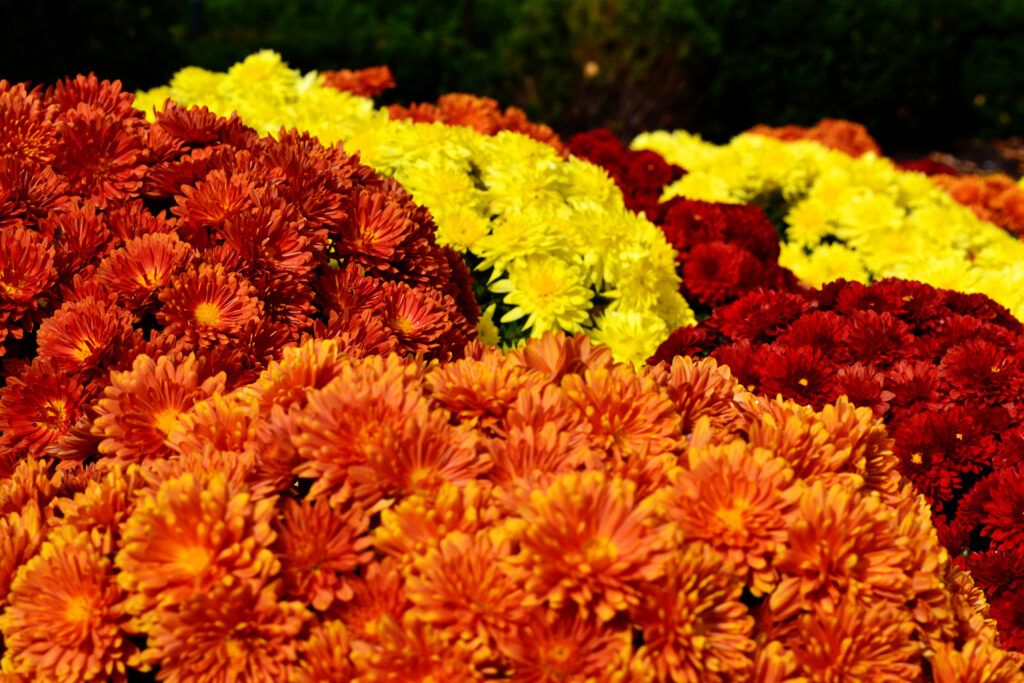
After months of intense heat, an Oklahoma City landscape may begin to look tired by early fall. Summer annuals can become overgrown or faded, planting beds may lose definition, and entrances that looked vibrant in spring may no longer make the same impression.
A fall seasonal color rotation offers a practical way to refresh these areas without redesigning the entire landscape. With the right plants, placement, and preparation, seasonal color can keep a commercial property or estate looking polished as temperatures begin to change.
Create a Stronger First Impression with Fall Seasonal Color
Entrances, signs, walkways, and gathering spaces are some of the most visible parts of a property. Adding fall color to these areas can quickly improve their appearance and direct attention toward important features.
Seasonal color is especially effective around:
- Main entrances
- Monument signs
- Building foundations
- Courtyards and patios
- Leasing offices
- Community entrances
- Outdoor gathering areas
- Decorative containers and planters
A few strategically placed displays often create more impact than spreading smaller plantings throughout the property. Concentrating color in high-visibility areas also helps the enhancement feel intentional.
Choose Plants for Oklahoma’s Fall Conditions
Fall weather in Oklahoma City can be unpredictable. September may still bring summerlike heat, while cooler nights and the first frost arrive later in the season. Plants should be selected for the expected temperature, sunlight, wind exposure, and irrigation conditions.
Cool-season options may include pansies, violas, ornamental kale, ornamental cabbage, and other plants suited to lower temperatures. Chrysanthemums can also provide short-term fall impact during the seasonal transition.
Plant selection should reflect how long the display needs to perform. A planting intended for an autumn event may have different requirements than a color rotation expected to remain attractive into winter or early spring.
Prepare the Beds Before Planting
Healthy seasonal color begins below the flowers. Simply replacing fading plants without preparing the bed can lead to uneven growth and disappointing results.
Before installing fall color, remove spent plants, weeds, roots, and other debris. Check the soil for drainage problems and compaction, then add appropriate amendments when needed. Beds should also have clean edges and a finished layer of mulch where it will not interfere with the new plants.
Preparation is particularly important when the same beds are used for multiple seasonal rotations. Repeated planting, foot traffic, irrigation, and Oklahoma’s clay soils can gradually reduce soil quality.
Coordinate Irrigation With Cooler Weather
New seasonal plants need consistent moisture while their roots become established. However, fall beds usually do not need the same irrigation schedule used during peak summer heat.
Continuing a heavy summer watering schedule can leave beds too wet as temperatures cool. Excess moisture may contribute to root problems, disease, and poor plant performance.
Before installation, check that irrigation reaches the entire bed without overspraying sidewalks, entrances, or buildings. As the weather changes, adjust watering based on rainfall, temperature, sunlight, and the needs of the selected plants.
Use Fall Seasonal Color to Complement the Property
Effective seasonal color should look like part of the overall landscape rather than an isolated decoration. Plant combinations can reflect the property’s architecture, signage, brand colors, or surrounding permanent plantings.
Color can also be layered with texture and height. Flowers, foliage plants, ornamental grasses, pumpkins, and decorative containers can create a more complete fall presentation. The design should remain proportional to the space and avoid blocking signs, sightlines, or pedestrian routes.
For commercial properties, a consistent color plan can help create a recognizable experience across entrances and common areas. For estate landscapes, seasonal displays can be tailored to the home’s architecture and the owner’s preferences.
Plan Before Summer Color Declines
Fall color is most effective when it is planned before summer annuals completely deteriorate. Early planning allows time to evaluate beds, choose plant combinations, coordinate irrigation, and schedule installation for the right weather window. It also helps avoid a period when high-visibility areas look empty or neglected during the seasonal transition.
Total Environment designs and installs seasonal color displays for commercial properties and estate landscapes throughout the Oklahoma City area. A thoughtful fall rotation can refresh your property, complement its existing landscape, and maintain an attractive appearance as the seasons change.
Contact us today to get started!