
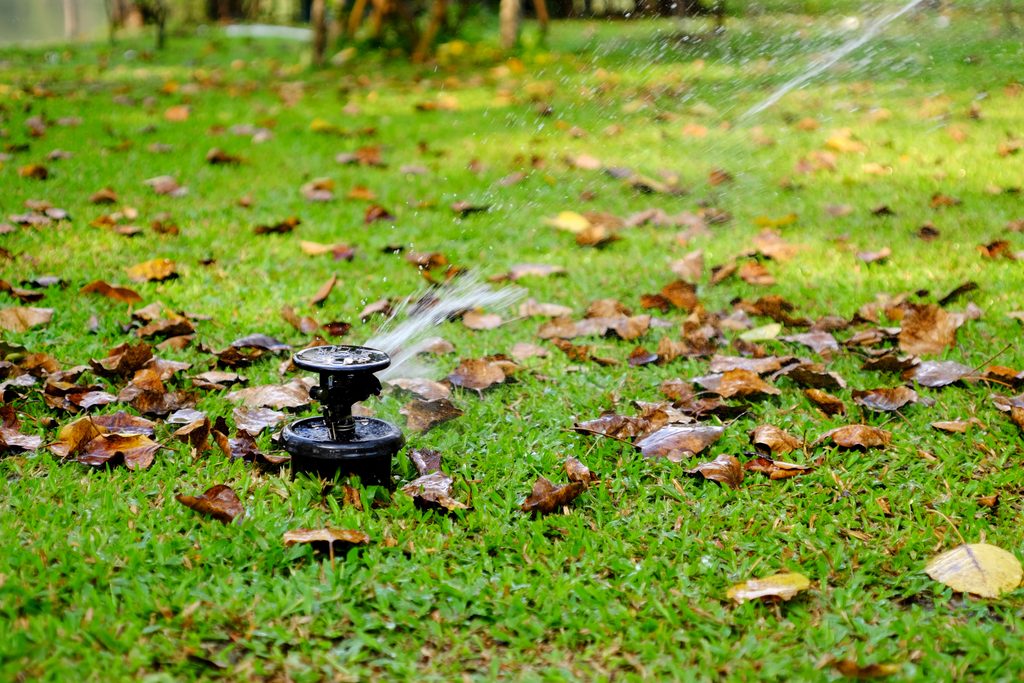
As temperatures cool in Oklahoma City, commercial landscapes generally need less supplemental water than they did during the summer. Shorter days, lower temperatures and slower evaporation reduce overall demand, but that does not mean every irrigation system should be turned off immediately.
Fall irrigation should be adjusted according to weather, turf type, plant needs and recent landscape improvements. The goal is to provide enough moisture to support plant health without continuing an unnecessary summer watering schedule.
Reduce Watering as Conditions Change
An irrigation schedule designed for July is usually excessive by October. Continuing the same frequency and run times can oversaturate the soil, waste water and contribute to plant or turf problems.
Property managers should review irrigation schedules as temperatures decrease and rainfall patterns change. Adjustments may include:
- Reducing how often the system operates
- Shortening individual zone run times
- Pausing irrigation after adequate rainfall
- Checking that rain and weather sensors work correctly
- Correcting zones that remain too wet
- Continuing to follow Oklahoma City watering requirements
These changes should be based on actual site conditions rather than a fixed calendar date. A warm, dry October may require more irrigation than a cool or rainy one.
Account for Different Turf Types
Commercial properties in Oklahoma City may include both warm-season and cool-season grasses, each with different fall requirements.
Bermuda and zoysia begin slowing down as temperatures fall and eventually enter winter dormancy. Their water needs decline as active growth slows. Continuing a heavy summer schedule during this period can leave the soil unnecessarily wet.
Tall fescue behaves differently. As a cool-season grass, it grows actively during fall and may be recovering from summer stress. Established fescue still needs appropriate moisture, while newly seeded or overseeded areas require more consistent watering during germination and early establishment.
Properties with multiple turf types may need separate irrigation schedules instead of applying the same program across every lawn area.
Protect Newly Seeded Turf
Newly seeded areas should not be managed like established turf. Seed and young grass have shallow root systems and can dry out more quickly.
During germination, the soil surface typically needs to remain consistently moist without becoming saturated. Once seedlings emerge and begin establishing roots, watering can gradually become less frequent and deeper.
The exact schedule depends on:
- Grass species
- Soil conditions
- Sun and shade exposure
- Wind
- Rainfall
- Temperature
- Irrigation coverage
Reducing irrigation too quickly can interfere with establishment. At the same time, excessive watering may create runoff, erosion or persistently wet soil. These areas should be monitored closely rather than managed only through a preset controller program.
Continue Watering New Trees and Shrubs
Fall is a favorable time to install many trees and shrubs in Oklahoma City, but new plants still require establishment watering.
Cooler weather reduces stress on aboveground growth, while the soil often remains warm enough for root development. However, a newly planted tree or shrub cannot immediately rely on the surrounding soil for all its moisture.
Irrigation should reach the root ball and nearby soil without keeping the planting area constantly saturated. Heavy Oklahoma clay may drain slowly, so watering frequency should reflect how quickly the soil actually dries.
Established trees and shrubs may need less frequent irrigation, but they should not be ignored during extended dry periods.
Check for Coverage Problems Before Winter
Fall is a useful time to inspect the irrigation system and identify problems that developed during the summer. Waiting until spring may allow leaks, damaged components or inefficient settings to go unnoticed for months.
Look for:
- Broken or tilted sprinkler heads
- Water spraying onto pavement
- Dry areas between sprinkler patterns
- Excessive runoff
- Leaking valves or connections
- Clogged nozzles
- Zones that remain wet
- Controller or sensor problems
Correcting these issues can reduce water waste now and make spring startup easier.
Prepare for Freezing Temperatures
Oklahoma City’s first freezing temperatures can arrive while irrigation systems are still operating. Property teams should monitor forecasts and avoid running sprinklers when temperatures are at or below freezing.
Water applied to sidewalks, parking lots, entrances or roadways can create icy conditions. Freeze sensors should be inspected to confirm that they can interrupt scheduled watering when temperatures drop.
Properties with exposed irrigation components may also need seasonal protection. The appropriate approach depends on the system’s design, equipment and site conditions. A professional irrigation provider can determine which components should be insulated, drained or otherwise protected.
Avoid a One-Size-Fits-All Schedule
Commercial irrigation systems often serve turf, trees, shrubs, annual color and other plantings with very different moisture needs. Giving every zone the same seasonal adjustment can leave some areas too wet and others too dry.
A better fall irrigation plan considers:
- Plant type
- Root depth
- Soil drainage
- Sun and wind exposure
- Slope
- Recent installation or seeding
- Irrigation equipment
- Current weather
Regular inspections are also important. A controller can manage the schedule, but it cannot identify every clogged nozzle, damaged head or changing site condition.
Make Fall Irrigation Part of Your Seasonal Plan
Reducing summer water use is an important part of fall landscape management, but irrigation should not be shut down without considering the property’s turf and plant needs. Thoughtful adjustments can prevent overwatering while continuing to support fescue, new plantings and other actively growing areas.
Total Environment and Midwest Irrigation help Oklahoma City commercial properties manage irrigation systems through seasonal adjustments, system inspections and repairs. Contact us today to schedule an irrigation evaluation and prepare your property for cooler weather.